





 testimonies
 media & content


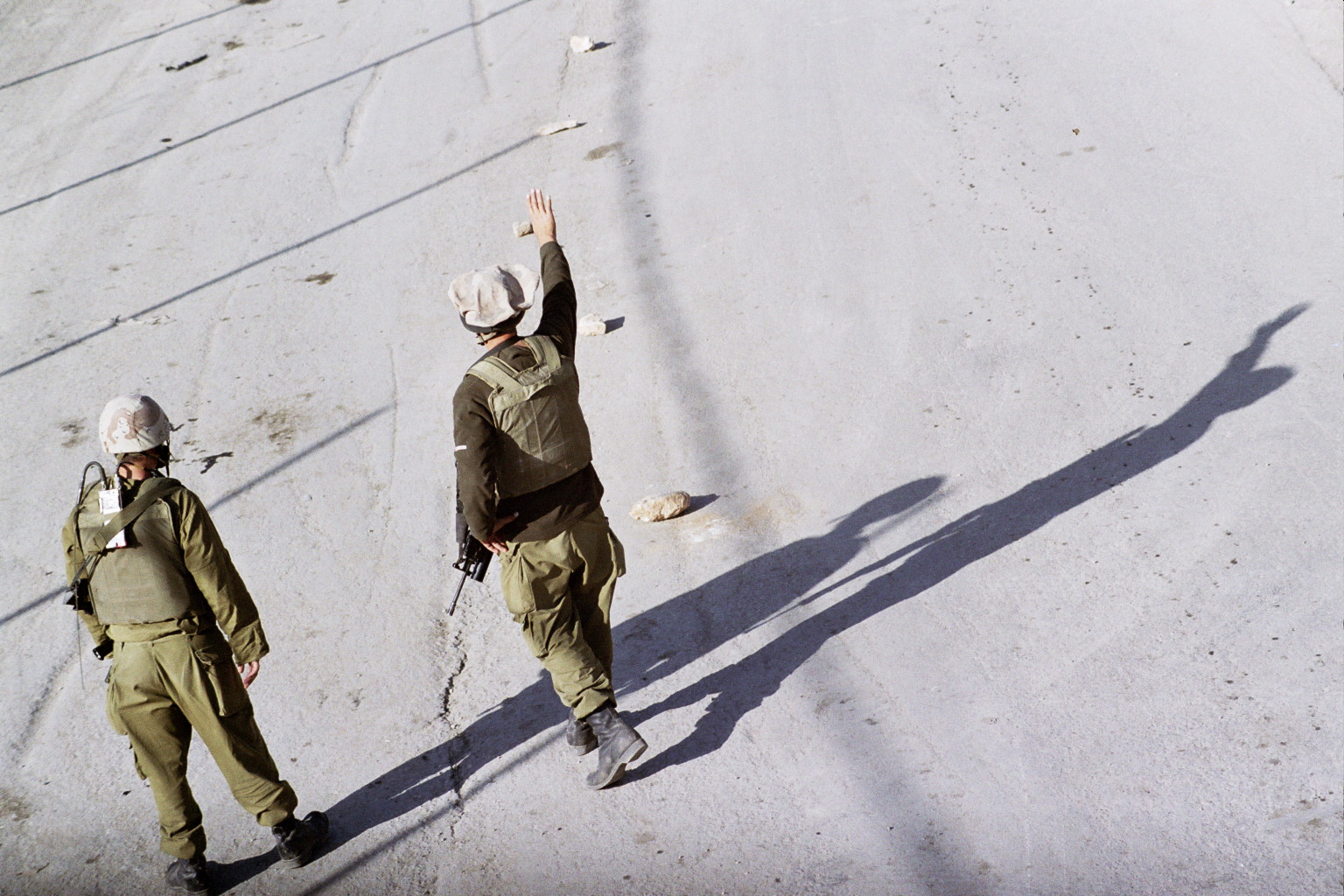

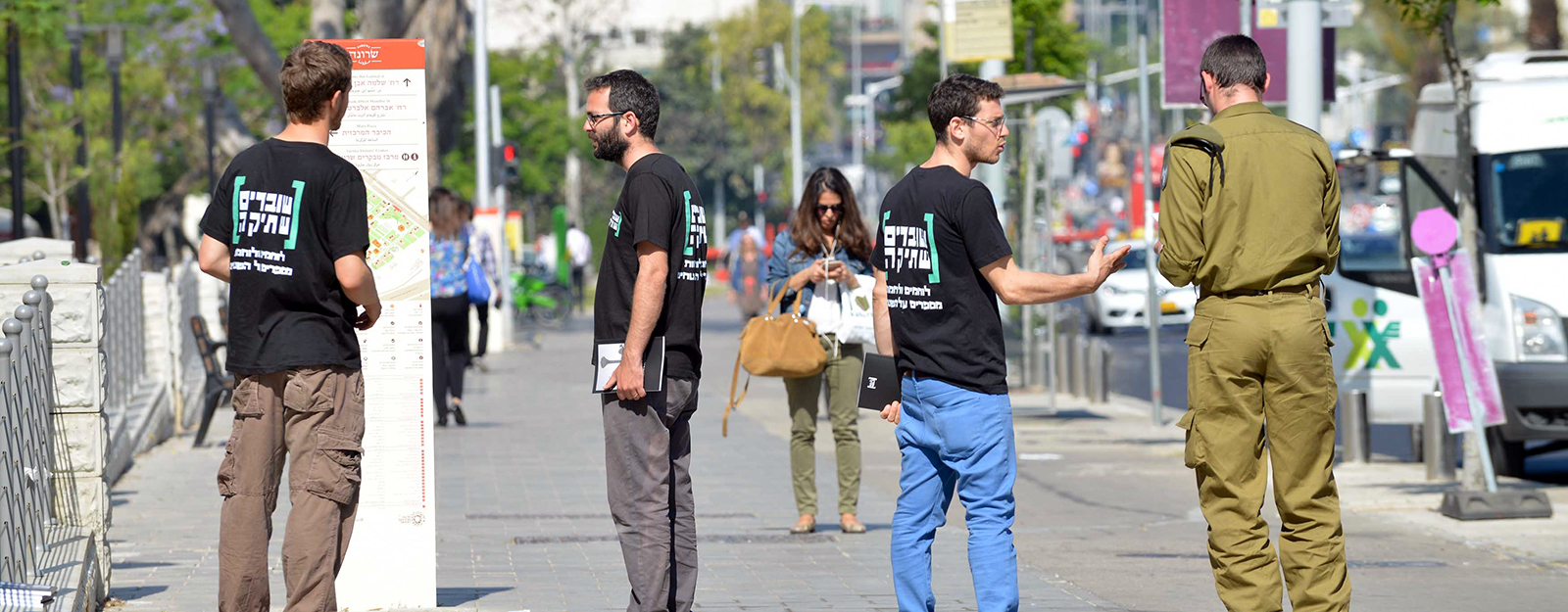


 It's a difficult checkpoint, or maybe only we were difficult


Pedestrians or cars as well? Both.
Only Palestinians? Yes. I've been at checkpoints in Hebron, and the difference is huge. Because Nablus isn't part of the State of Israel, and it shows. It's a difficult checkpoint, or maybe only we were difficult. You talk to Arabs as if they're soldiers in basic training. You do shifts, you can check cars, which is the most fun. You can secure the military police who check people passing, or you can help checking them yourself. And you have vehicles arriving on both sides. If you want, you can stop them some 100 meters before [the checkpoint]. It's a game: "stand in a line, don't cross…" it’s really like that, if someone cuts in front of someone, then you penalize. You don't let him pass for an hour. We were young and they'd kill us there for 24 hours at the checkpoint. I'm at the peripheral post, and then I realize that my squad leader is convinced that a vehicle might have gone by without showing something. I don't remember what we accused him of doing, but he [the driver] clearly insisted that he didn't do it, and that got us and our commander angrier, and it dragged on to the absurd stage that the driver was cuffed and he screamed and cried. You have these squares of sorts in which you seat them, and you have this cell that’s like a tiny prison, where you take him if you want him to undress. If you want to detain someone, you put him in one of those. A concrete cube with a gate, and we would put people in there when we wanted to detain.
And you put a person in there blindfolded with a zip tie? Only a zip tie.
And you lock him inside as a punishment? Yes. I remember there were restrictions as to how long you're allowed to [hold someone in there], but it was a long time. If someone made a mess – you were allowed. The person [the driver who was zip tied] really cried, and you ponder about the fact that you put him there for no reason, and that he doesn't understand how this happened to him at all. He didn't consent to enter, and it was the first time we actually had to use physical force, violence.
And how long was he in there? A few hours? Yes. It's a bad checkpoint. It's really the stigma of being drunk with power.

 terms of use & privacy policy