





 testimonies
 media & content


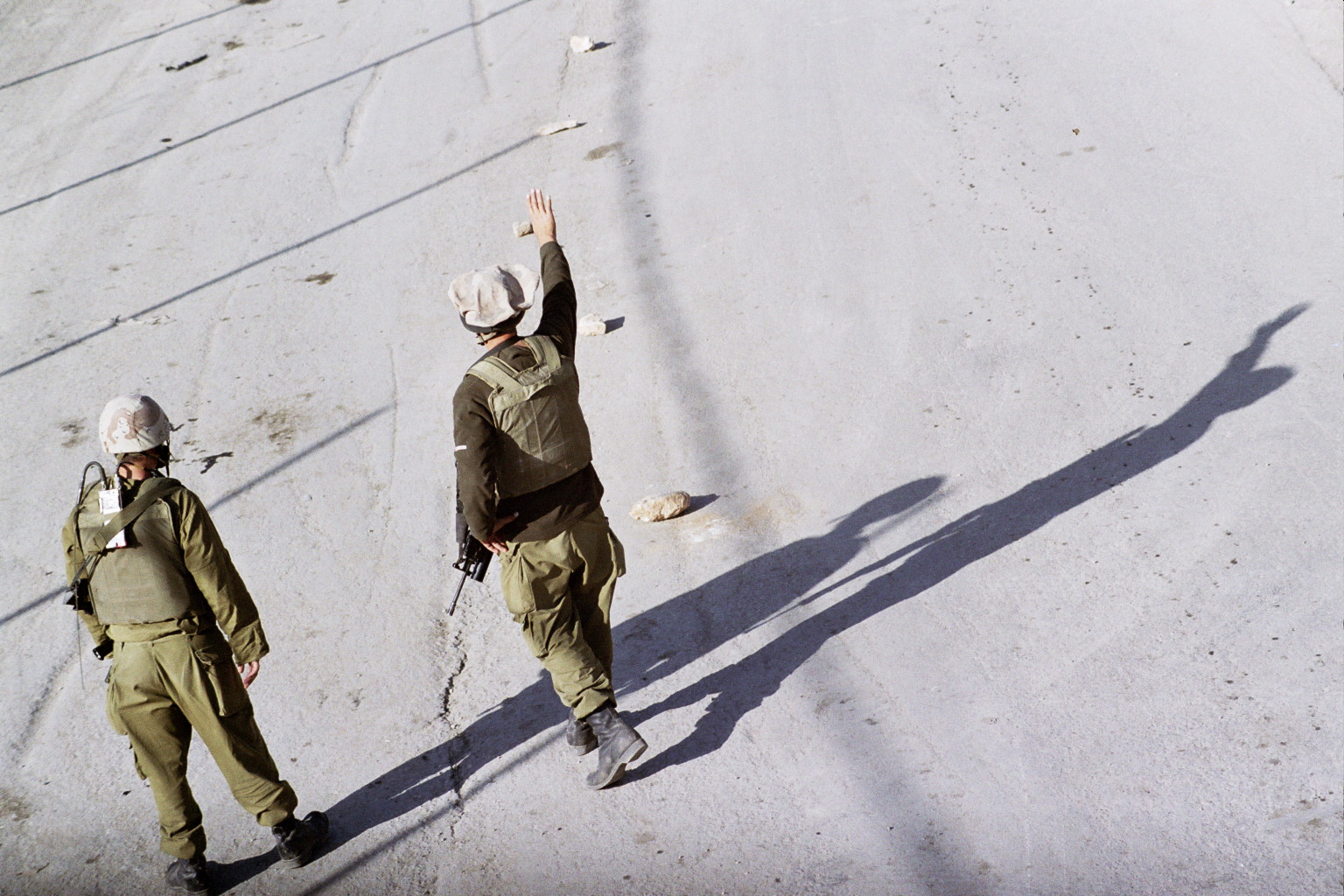



 You show them that you’re the boss, you show that you control the place


Do you throw any stun grenades? Stuns, yes. But we didn’t use flares or tear gas grenades.
Did you carry out provocation actions? Provocation-reaction? Yes, that took place. We drove through a village where teams had entered by foot and had stationed themselves behind [concealed corners of structures]. We went in making a lot of noise, in the open, lights flashing, with an armored Defender [jeep] whose purpose was to get people to come out of their holes. The teams were stationed there in the corners, waiting for anybody to jump out and throw stones at us. We took a few stone hits in there, but didn’t manage to catch anybody during that operation. The objective there was to make our presence felt, essentially. To provoke them and catch them. Between one and two teams would be placed in there, between 15 and 30 soldiers. Checkpoints you do on the outskirts of the village. You focus on a road that you know Palestinians will be driving through, you stop them and ask what’s going on. Without any particular reason, without any specific intelligence. You show them that you’re the boss, you show that you control the place. Or sometimes there was a thing of sealing routes. When you seal a route, that’s when you want to hurt the Arabs. You seal an entrance route, or cardinal access routes – you say that nobody’s passing through here now, for such-and-such a reason. If there had been stone throwing in that sector then maybe there would be punitive actions, where you’d be going around their village. It’s a type of punishment. You go in, question them, disrupt their daily routine. You don’t make any arrests or anything.

 terms of use & privacy policy