





 testimonies
 media & content





 A CHABADNIK IS STANDING WITH ME IN THE PILLBOX


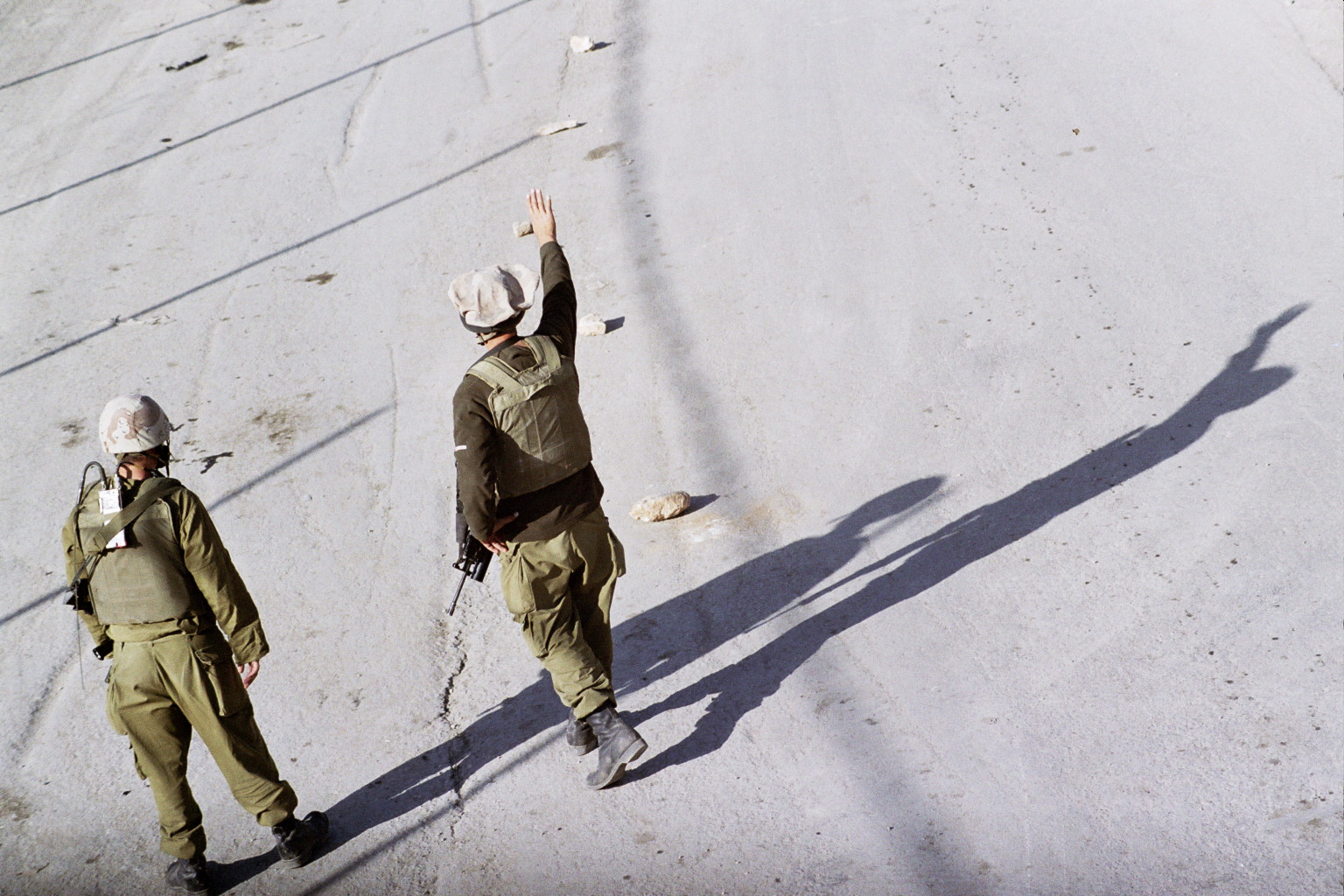
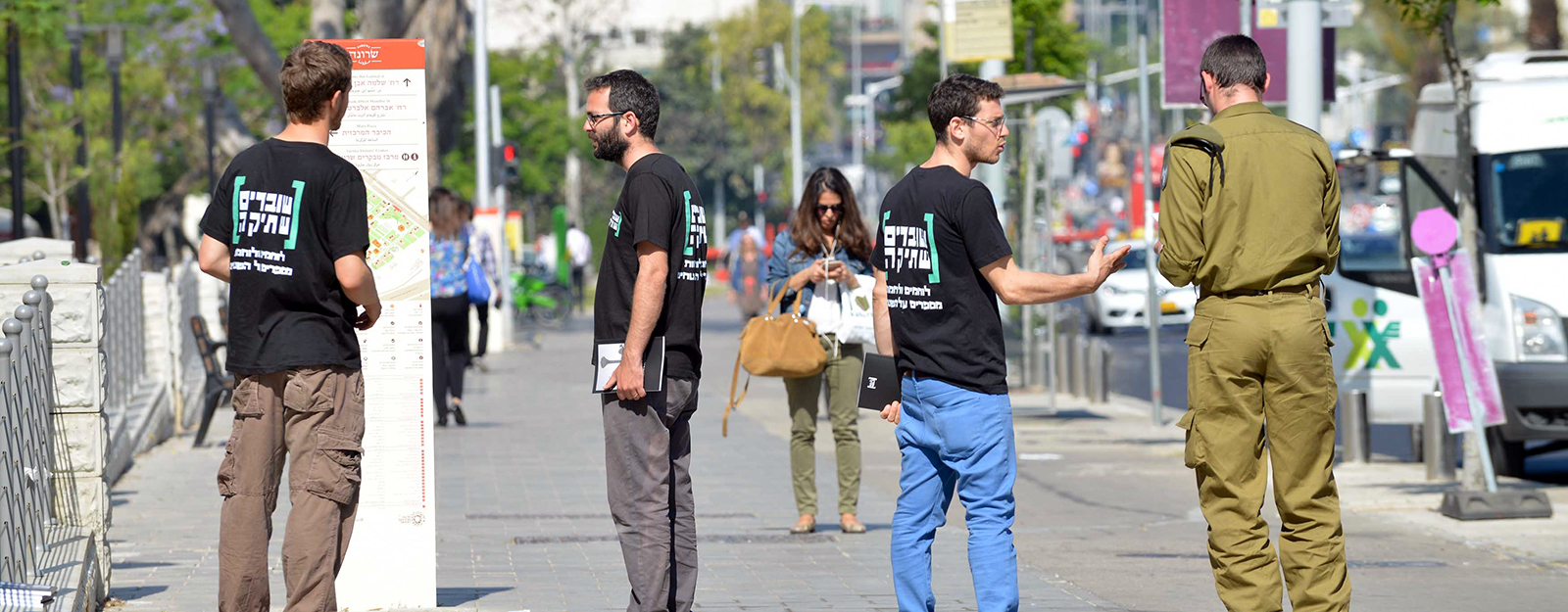
We were in a pillbox (a small, concrete, cylindrical post used for guarding and observation) during Hanukkah above [the settlement of] Ariel, there’s an awful pillbox there; it sits on the highest hilltop in the area, it’s bitter cold, and at some point, we were three soldiers [there], me and two other soldiers. It's Hanukkah, in short, a Chabadnik (of the Chabad Hasidic movement) car arrives, I'm upstairs and I see it coming. Now there's a lock on the door. One of the soldiers must have opened it, and let them into the post and they entered and at some point, they come up to me at the post. A Chabadnik is standing with me in the pillbox, giving me donuts. Now, like, on the face of it, nice, cool, lovely, but come on now, [this is the] army. You don’t enter and walk around here wherever you want. There are weapons, there’s classified equipment, I don’t know, there’s all sorts of shit going on there.
So here I want to ask, did it seem wrong to you? The fact is they entered. Yes, it seemed wrong, and it was explicitly forbidden. Like, in terms of the instructions for the area, they were forbidden from entering.
What are the guidelines? Whose guidelines? The company commander, who received them from the battalion commander.
The company commander said: You don’t take things from settlers? No, that’s a general IDF guideline, don’t take anything from anyone.
No, but where did you hear it? Pre-deployment training guidelines. During pre-deployment training all soldiers are told this briefing: don’t accept gifts from settlers and definitely don’t accept gifts from Palestinians.
Is food a gift? Yes. It came with... Like, what were we told? They explained something about settlers to us, for example, that if we stood at the junction, for example, Ariel Junction. We would stand there because this was when the stabbings were happening and we would stand there at [bus] stations so they [the Palestinians] wouldn’t stab. And then we were told: If a person comes, [he had] bought food from a restaurant – that's what they do, they actually arrive with takeout food from “Ad Haetzem” (a restaurant), or – don’t say “no” to them, that’s not cool. It’s impolite. But if they come and say this and that to you, say: No thank you, we have that.
Wait, now a man with a pot of hamin (a traditional Jewish stew) that his wife made [comes and says]: Take it. Would you take it? We’d take it.
So when wouldn’t you take [things]? What if he said: Do you want me to go bring you a pizza from... now? And that happens a lot and all sorts of things that aren’t food, [you] certainly don’t take, like, [you] say thank you very much but no. But yes, it’s a very complicated situation, in the end, a person comes and brings you food, what will you say to him, no?
And why is all that? Because if someone brings you something tasty now, and comes a few days later and you have to detain him or tell him to stay back or something, you’re suddenly in a situation where you feel uncomfortable telling him: Listen, get the hell out of here because you’re not allowed to be here. That’s exactly what happened with those Chabadniks. They came with donuts, what could we tell them: Leave? In the end we told them: Leave. Like: Listen, thanks very much, but you can’t be here at the post.
Did they leave the donuts? They left the donuts. Of course.

 terms of use & privacy policy