





 testimonies
 media & content





 I thought it would be better for me to take command


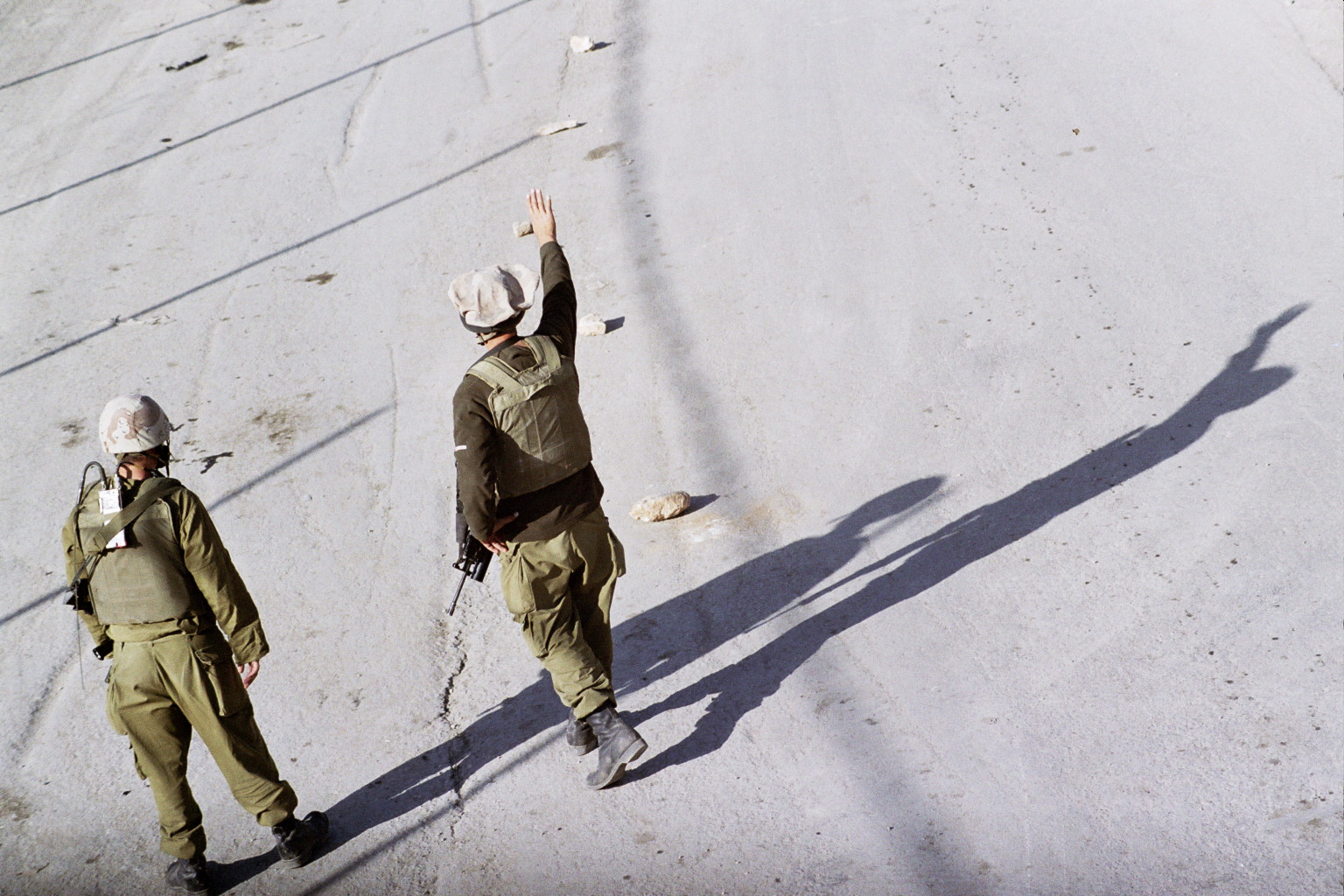
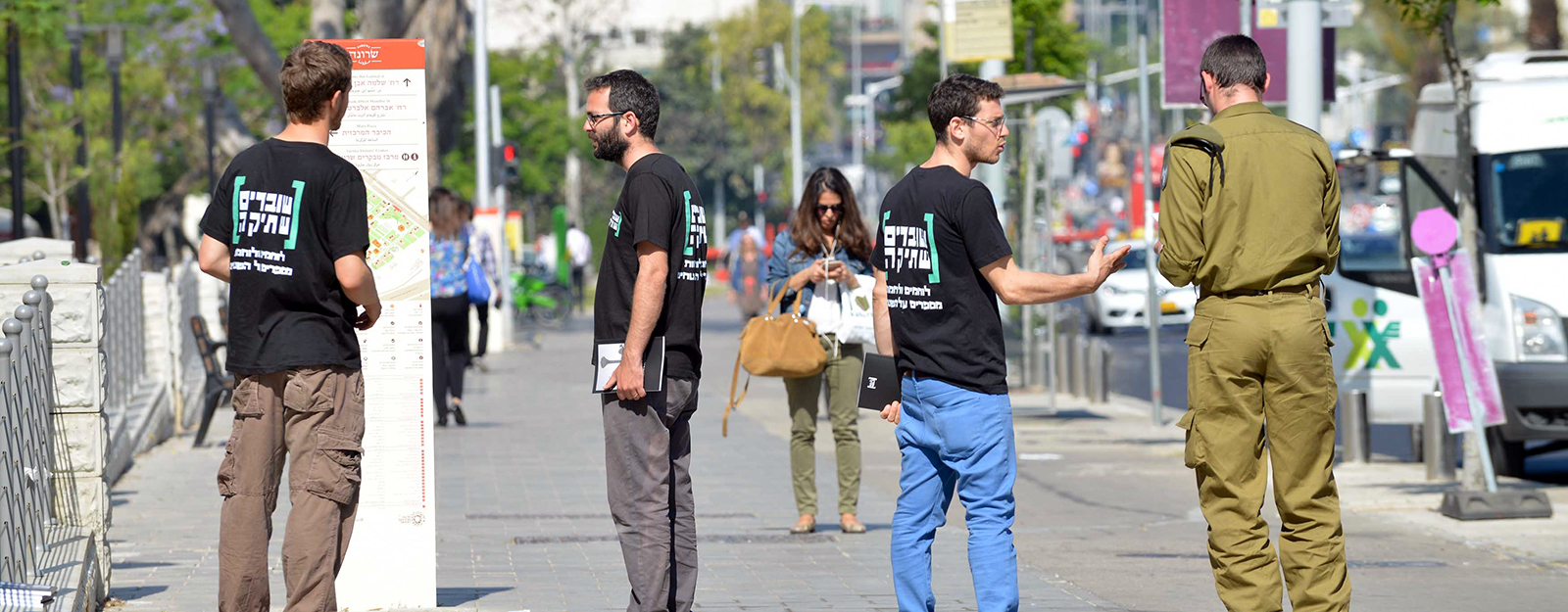
How were Palestinians treated on your missions? That’s… Okay, I’ll tell you. At least my thoughts about it, and how my thinking changed – what works, what doesn’t. When I enlisted, one of the reasons I insisted on joining the infantry was that I have Western morals, Western and even Jewish, that are pretty developed. I mean, philosophically, yeah? Thinking about what’s moral, what isn’t. I thought it would be better for me to take command, to make decisions, instead of some 18 or 19-year old kid. More mature, more patient, more educated, I don’t know what. When I got back from squad commanders course and joined the guys on the ground, doing checkpoints, securing roads, there was a more or less regular road-securing mission at the Sheep Junction. Regular hours, regular spots, you sit there, check every Palestinian crossing through with his plastic bag, his ID, etc. At first, I treated them – me, personally, and that’s also what I demanded of my soldiers – like dignified human beings. I mean, a person comes into the checkpoint, he wants to cross the road, a 50-year old man wearing a suit and tie, you say good morning, even ask how he is, ask him for his ID card, politely. Like, I don’t know, not too aggressively. Among the command staff, officers and the other squad commanders, it’s more or less fifty-fifty. Half the people thought like me and usually acted more or less like me, at least in the beginning, and the other half were very, very, a lot more aggressive, less patient, more contemptuous towards the Palestinians. And among the soldiers, I’d say it was actually about 80 percent that type – degrading, aggressive, impatient – and another 20 percent that were relatively okay. Over time, I changed and got more aggressive and less patient.
What do you mean? What do I mean? I saw that the respect wasn't reciprocated. In fact, I think they see it as a weakness and take advantage of it. That whole incident at the Sheep Junction (where three Lavi Battalion soldiers were killed in January 2003) affected me – all the people who lived in that area knew us, even by name. All the people who lived in the houses near the junction. There was this vegetable stand, the vendors knew us. And it’s not necessarily a matter of harassment, you’re just there every day, they live there. You recognize them pretty quickly – hey, this guy lives here. So sometimes you say good morning, how are you? Why? Because they’re human beings, yeah. And with the population that lives around there we had a pretty good relationship, at least that’s what I thought. I mean, we didn’t harass them, we didn’t go into their homes, didn’t search them or their stuff, they’d cross through [the checkpoint]. If there was a curfew, we usually let them through. Why? Because this was a guy you saw every day and you usually knew where he worked, where he lived. He was okay, you knew him. And when my buddies were killed by an ambush, they all suddenly were, “I know nothing, I heard nothing”. This guy, there was like ten seconds of firing ten meters away from his house, and he’s like, “I know nothing, I heard nothing”. Those guys, the vegetable vendors at their stands, the terrorists probably passed by them – because their escape car parked right next to that vegetable stand, at least that's what the trackers say – “I know nothing, I heard nothing”. That really really affected me in a bad way. I mean, I became much-much-much more suspicious.

 terms of use & privacy policy