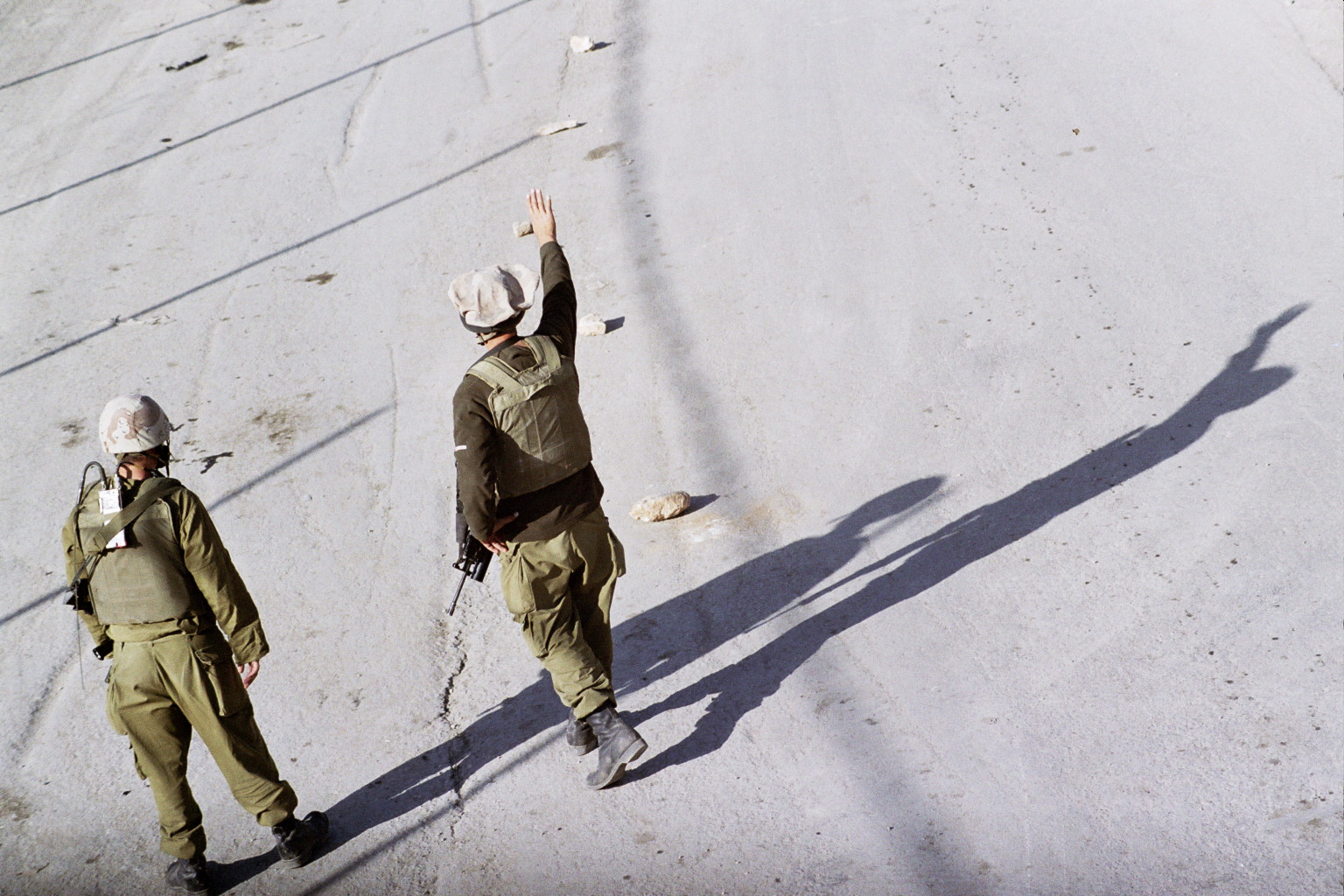
No later than a week after that (at another stage of the interview the interviewee described an incident of firing shells into a built-up area without identifying the source of fire), the same commander threw a grenade outside the post to make people think they're being attacked, to inflame the atmosphere, and it worked. The company commander of the paratroopers arrived, he was inflamed anyway, and he started firing indiscriminately, and we got out and started firing too. I was inside the post so I don't know what happened there. There was a debriefing and it turned out - in this case there was a debriefing because the whole thing was weird - and it turned out that he was the one who did it. So they more or less swept it under the carpet, they sent him to headquarters and that was that. I don't think they put him on trial, maybe by the battalion commander. It never went beyond the battalion, as far as I know. Every grenade is numbered, and losing it warrants an investigation by the Military Police.
So how was this explained?I don't know. I didn't pore over the case. I know that he didn't spend time in prison, and no way he would - had the story come out I hope - they wouldn't have sent him to prison. They just transferred him to headquarters, that was the punishment: you can't count on the man, let's put him here. And really, he was a good person, everybody loved him, and the fact that his friends were killed (in the dolphinarium terrorist attack in June 2001) . . . There was another case with the same commander, he fires into some vegetation just to burn it. This, too, wasn't a particularly pleasant thing.






 testimonies
 media & content





 He started firing indiscriminately


 terms of use & privacy policy