





 testimonies
 media & content


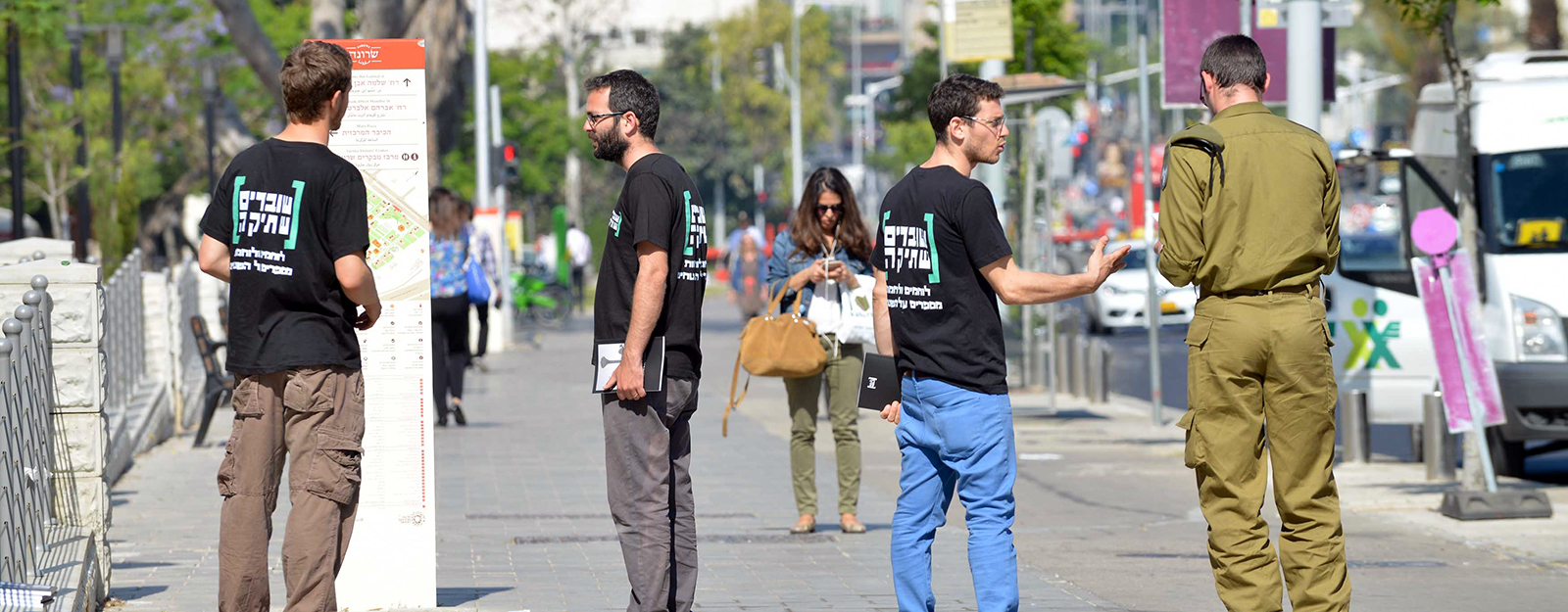

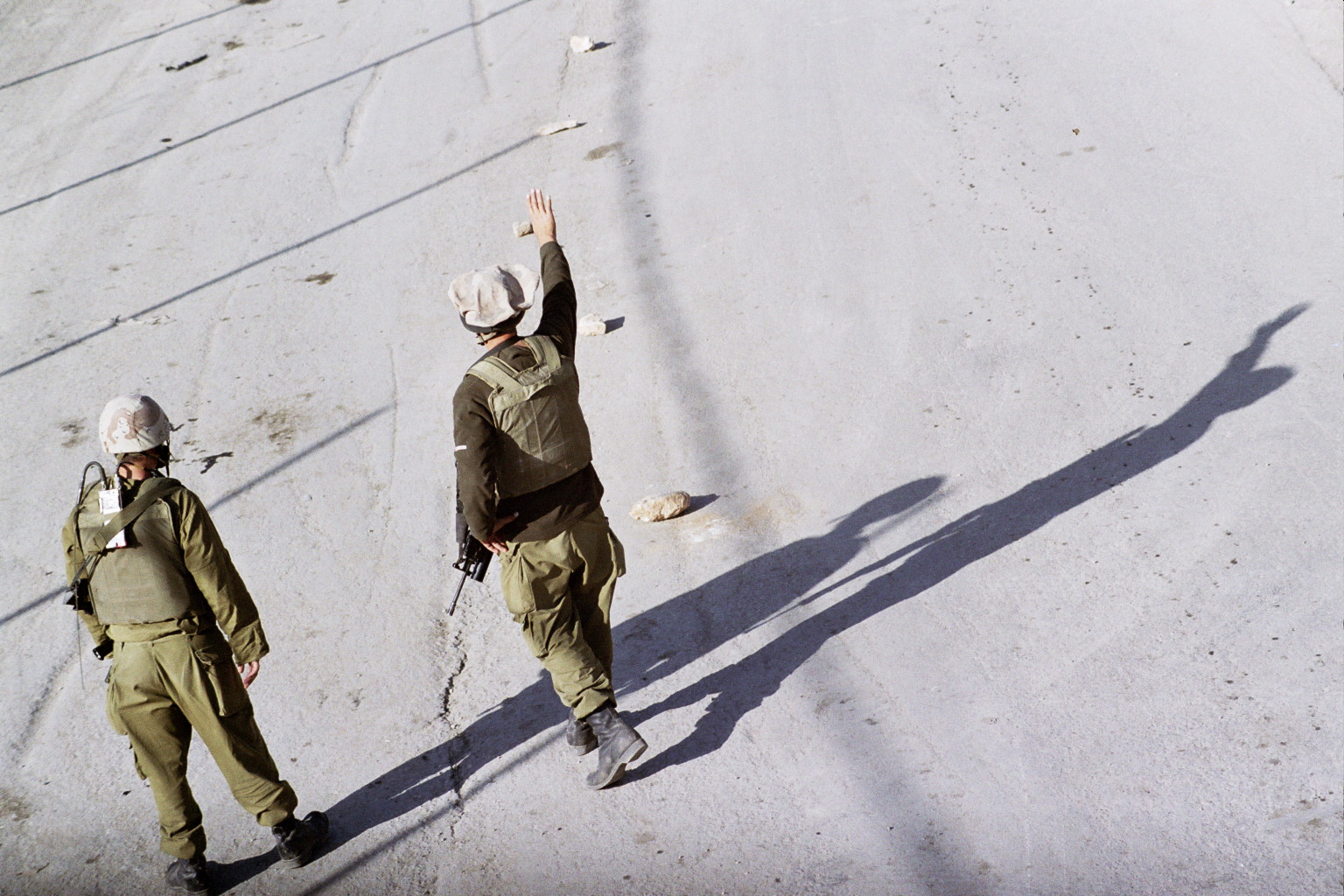


 You really understand these children to be a threat?


When we were in Hebron, I remember that as far as I was concerned it was like really awful, like, when I saw this business of the occupation in really its ugliest form. When I saw myself suddenly arresting children. And I remember one day when there was this staffer of some [international aid] organization, he was European, spoke English, and then my commander, it was me and my commander at some checkpoint like, not a really huge checkpoint, like this small checkpoint in the middle of the city. And loads of people would cross, but for all the men we would check whether they had a weapon or something, and suddenly, it was close to some school and loads of children wanted to cross. The commander told me: Check the kids. Check the bags. And then I, on one hand I thought, okay, like what, do I really need to check the children, like is that really necessary, but on the other hand I thought: Okay, but if there really is a terrorist attack here now, what, is it going to be my fault? So I was there in this situation and this staffer came. [He] came and started saying all kinds of things, that what we were doing is really bad and I don’t know what, and then he comes and asks me: What, do you really understand these children to be a threat? And then I told them: As you ought to know, like, there are terrorist organizations.
Is that what you said?That’s what I said. There are terrorist organizations that unfortunately use these kids. I don’t know who his father is. I don’t know who put [something in his bag], who packed his bag, like, I told him how I felt. Like, of course it’s uncomfortable, I don’t want to stop this kid because he’s a kid, you understand? But on the other hand, he’s really, something could happen, I don’t know. What if the kid suddenly blows up? I don’t know. No soldier thinks they want this burden, this weight on him, so you check, you check the children too.

 terms of use & privacy policy