





 testimonies
 media & content


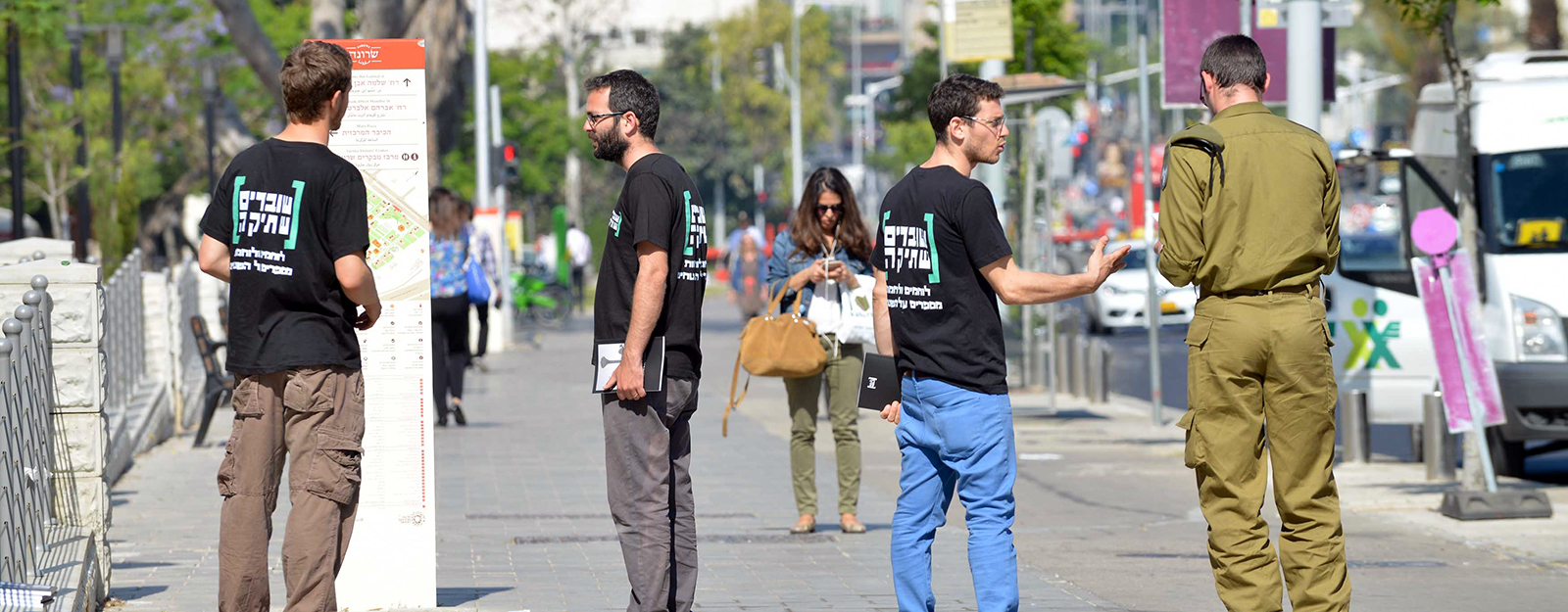
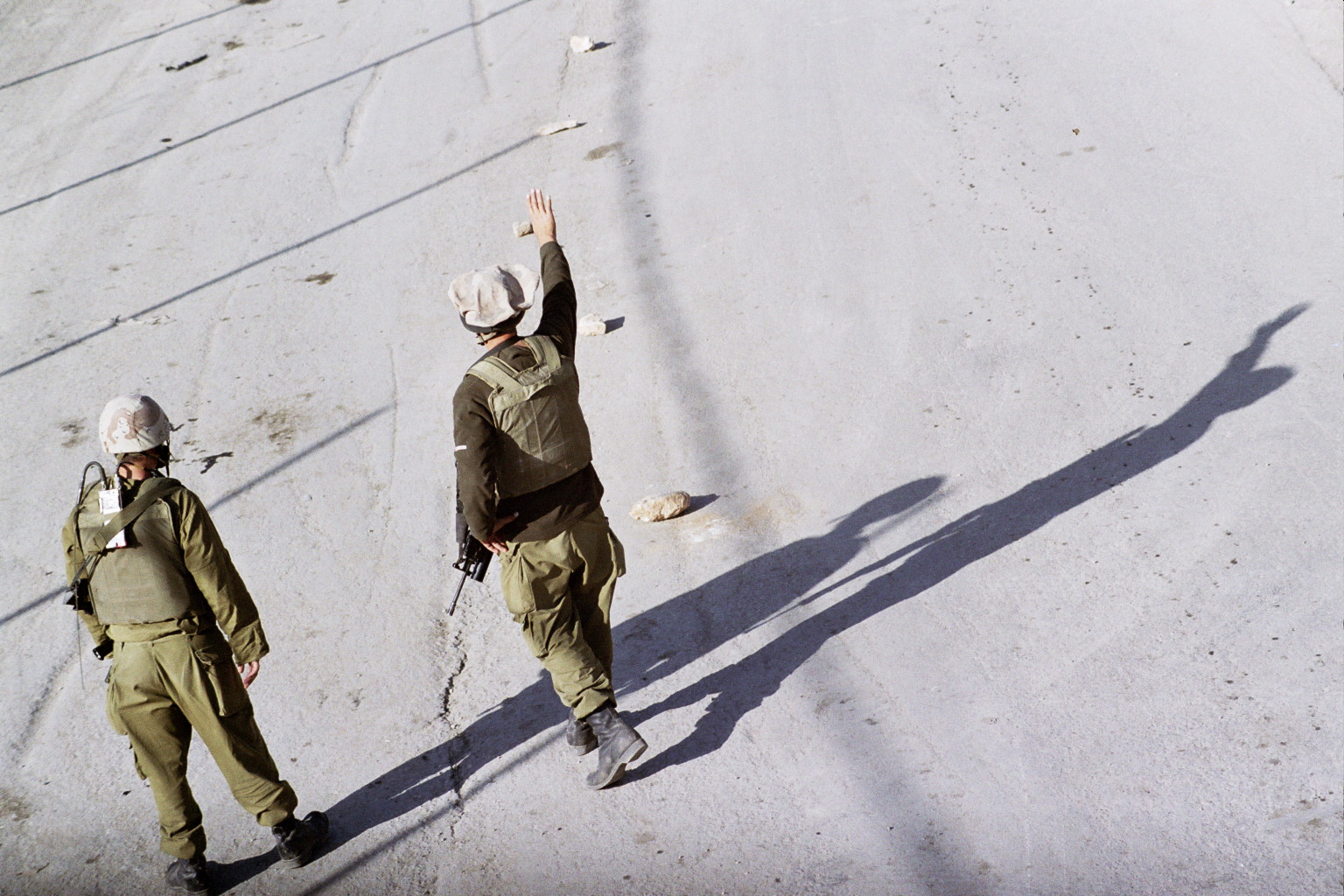


 You wake up children in the middle of the night


The act of mapping itself, how does it happen, and how is it carried out?The preparations begin, there’s an attempt to really understand what’s going on in terms of where we are going to be, how long we are going to be, which houses, etc., and by the time the act itself happens, X number of soldiers get into, let’s say a platoon, I don’t know, 12-13 soldiers get into... What is the name of that vehicle?
Safaron (an armored soldier transport vehicle)?Safaron, yes. Get into the Safaron and of course put on vests, get all the general gear, there’s a gear inspection, you have this, you have that, you have the other thing. We, personally, never wore a face mask. If you wanted to [you could], meaning it wasn’t an order by definition. Some people who thought they were so cool wanted to put on a face mask, so they put on a face mask. That’s it. You just like, get to, let’s say for the sake of the matter, [the Palestinian village of] Tekoa, and just start splitting up, let’s say, into groups of four, each commander with four soldiers. You know you have to go to five houses, so you go to the first house, knock on the door and wait for an answer: if someone answers - great, like, we start. If there’s no answer - you knock harder on the door and shout: IDF, IDF, IDF, open the door. [We say] “IDF” pretty aggressively, I will say that. The objective is obviously for them to open the door. As soon as someone opens the door, you go straight into this protocol of, I’ll say hello, but it’s not really a hello, it’s not like: Hi, how’s it going? It’s like: Hello, wake up the children, wake up the wife, bring everyone, let’s see everyone, all the occupants of the house. They form a line, all the people in the house, and then there is a soldier who really searches the rooms to see that there is no one in any room, [and] then the women and children get separated. Women and children in one closed room with a soldier guarding them, men outside; we keep them outside the building. And after this protocol, you just start searching, to the point of taking notes on actual paper, like a notebook: you count how many rooms, you count how many doors, you make a general map. Someone would always make a map of the house, what it looked like, and look for suspicious things and toss things around, and, like, now look for something that looks suspicious to you. So you really start picking things up, moving things, I don’t know - carpets, sofas, beds, taking off sheets, kitchen, drawers, taking them out to see what’s there. Everyone does it more or less according to their discretion, the discretion of the commander in the field. There were situations in which it was chaos, mayhem, and if the company commander in the field or something like that wants to show he has the power, that’s what it looked like. The house is a total mess, and you never worry about tidying up: there’s no time, no time, on to the next house, on to the next house, ‘thanks, see ya, go back to your houses,’ and you’d move on to the next house. The protocol is five-six houses a night, every team. [It] takes time, and it’s not fun at all, especially the bit where ... where you wake up children in the middle of the night. They don’t understand your language at all; you try communicating with them somehow. If someone speaks Arabic, it’s a bonus. I don’t know; the whole situation in general is not positive according to my personal experience. That’s it. It becomes a kind of routine, I’d say once a week or two, you see yourself doing mappings; I’m not talking about arrests, which is something else. You finish the five or six houses of the evening, everyone gathers back, back to the base, laughs and on to the morning tasks.

 terms of use & privacy policy